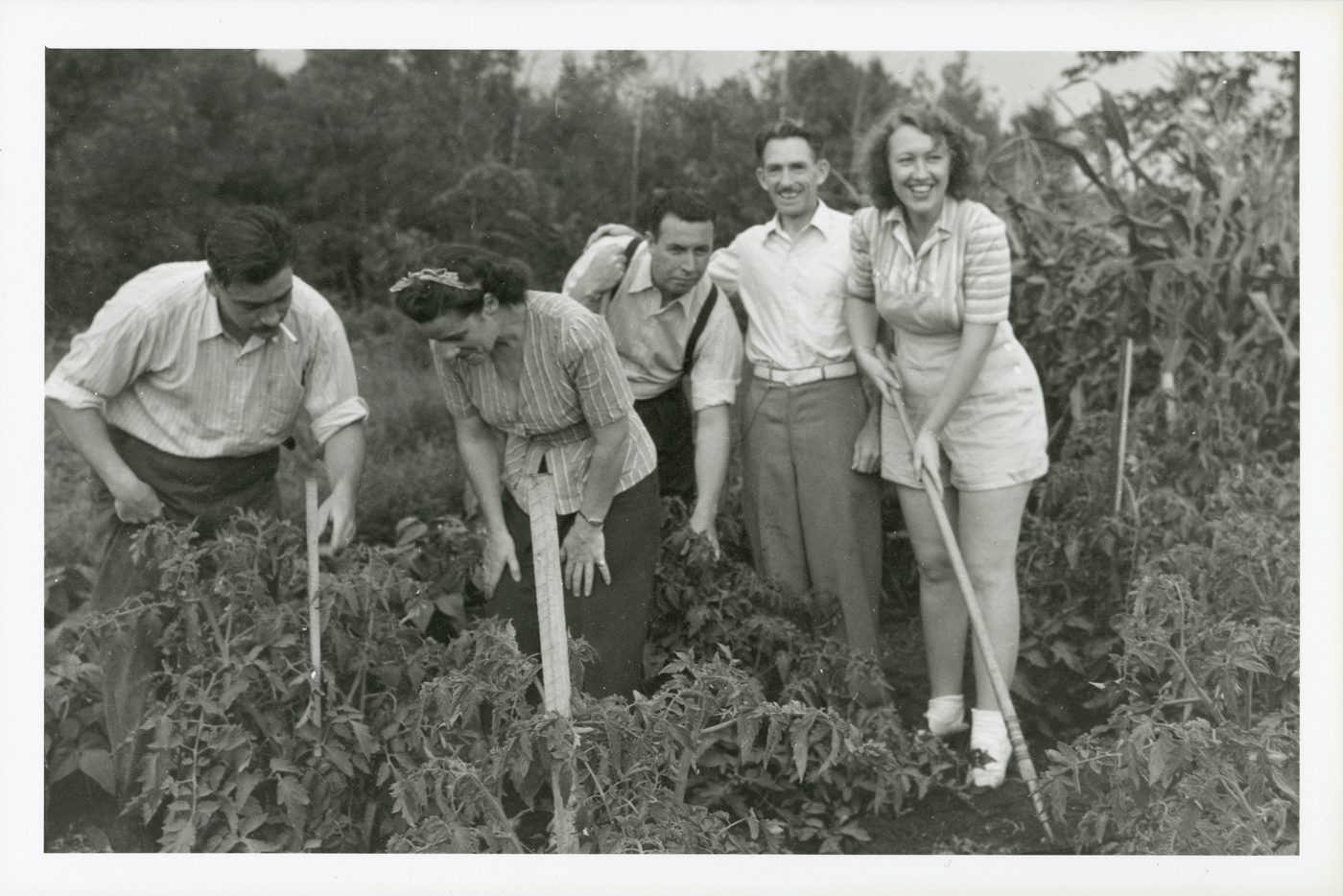
In 1944, the largest vegetable-growing operation in Canada was not a farm.
It was us. All of us.
That year, at the height of the Second World War, Canadians tended 209,200 victory gardens: in backyards, on vacant lots, in shared community plots. Together, those ordinary families grew 57,000 tonnes of vegetables in a single year. South of the border, the numbers were even more staggering: some 20 million American gardens produced a commonly cited 40 percent of the nation's fresh vegetables. Not 40 percent of backyard produce. Forty percent of all of it.
Here is the part of the story almost nobody remembers. The government did not believe in it at first. Officials worried that inexperienced growers would waste precious fertilizer, a resource needed for the war effort, on gardens that would fail. Amateurs, they thought, could not be trusted with something as important as food.
Canadians proved them wrong with nothing but seed packets, pamphlets, and radio broadcasts.
No sensors. No expert on call. No climate control. Just families who decided that growing food was something worth learning, and a country that decided to let them try.
Why this story matters again
Eighty years later, the numbers have quietly turned against us. Canada imports roughly 70 percent of the vegetables and nearly 90 percent of the fruit we eat. Grocery prices climb year after year. Trade uncertainty reminds us how much of our food security rests on supply chains we do not control. And in the Fraser Valley, some of the most fertile land in the country sits idle through the winter months.
The federal government has recognized the moment: the National Food Security Strategy commits $750 million to expanding year-round Canadian growing through greenhouses and controlled-environment agriculture.
But the victory garden story teaches something the strategy documents do not say out loud: when this country needed food production to surge, the answer was never only bigger farms. It was more growers. It was community.
Growing the victory garden, forward
The Boaz Club is building what we think of as the victory garden's next chapter: climate-controlled community greenhouses in the Fraser Valley where any family can rent a small plot and grow their own fresh food, all year round.
And the 1943 objection, that inexperienced growers waste resources? That is precisely the problem we have spent our founding year designing away. Every Boaz greenhouse pairs its members with an experienced greenhouse professional on site. Soil, heat, light, and water are managed with modern sensors and efficient systems, so nothing is wasted. Our app guides each family through their growing season, and our growing academy turns first-timers into confident gardeners. What took wartime Canada pamphlets and faith, we can now do with technology and a helping hand.
Victory gardens proved that when ordinary Canadians are given a plot, a bit of guidance, and a reason, they can feed a nation. Our grandparents did it in wartime, outdoors, through Canadian winters that ended every season early.
Imagine what we can do in a greenhouse.